
Introduction
When planning to install a centralized cooling system, one of the first questions homeowners and business owners ask is: what is the price of ducted AC per ton? This query isn’t just about the upfront cost—it’s about understanding value, efficiency, installation complexity, and long‑term return on investment.
In this definitive guide, we’ll break down ducted AC pricing, help you compare options, and give actionable advice to choose the best system for your space. Whether you’re budgeting for a new installation or upgrading an existing setup, you’ll walk away with clear insights.
Ducted air conditioning systems are one of the most efficient choices for cooling larger residential or commercial spaces. These systems deliver uniform airflow through a network of ducts, giving you whisper‑quiet operation and superior comfort.
But while performance is impressive, the price of ducted AC per ton can vary significantly based on several factors—brand, efficiency rating, system type, ductwork complexity, and installation. Understanding these variables can help you budget accurately and avoid surprises during installation.
Always compare quotes from reputable suppliers like an O General AC distributor or a trusted Midea AC dealer to ensure competitive pricing and reliable service.
What Is a Ducted AC System?
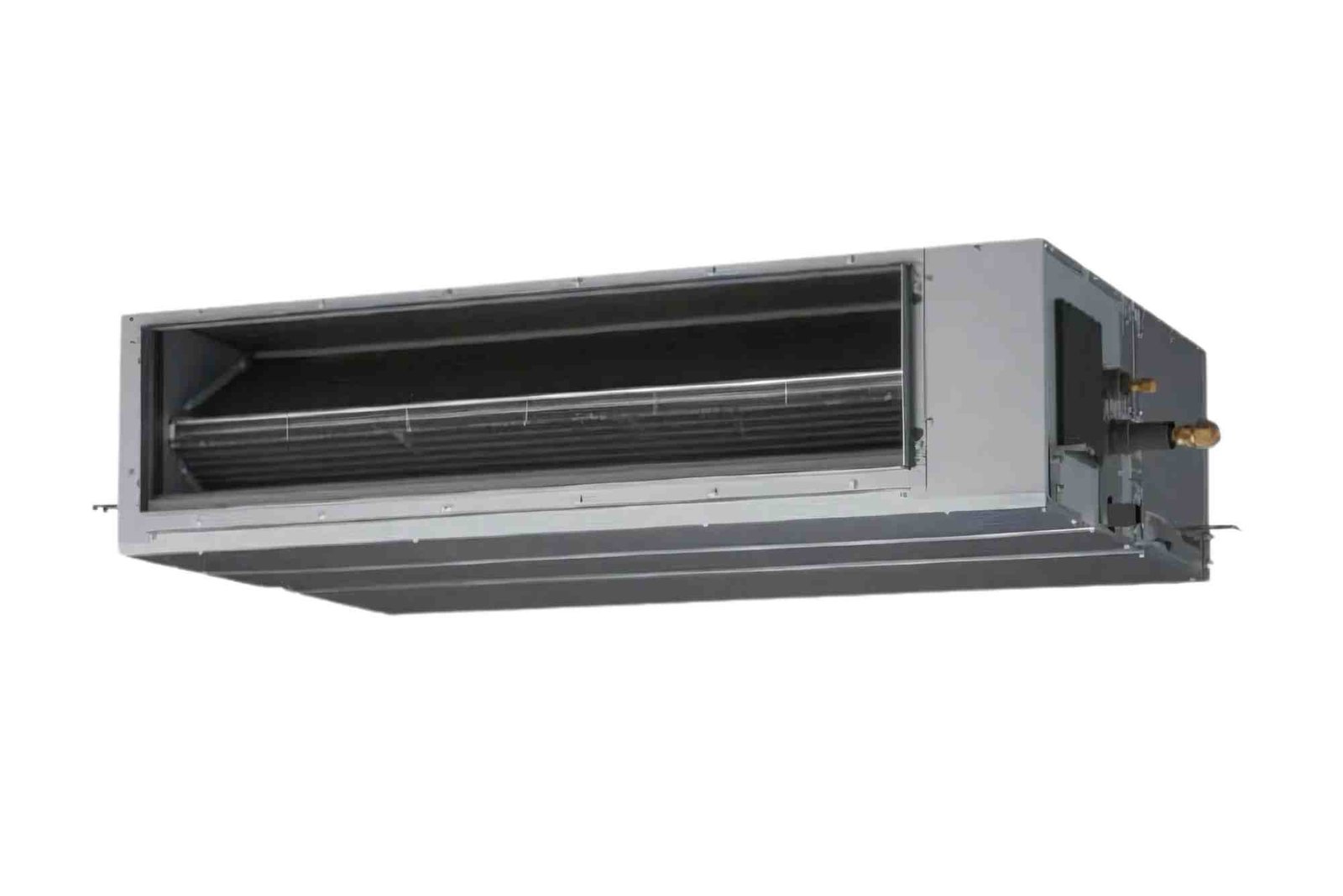
A ducted AC system (also called central air conditioning) uses one central unit to cool multiple rooms through concealed ducts. Unlike split AC units where each room has its own indoor unit, ducted systems distribute cooled air seamlessly throughout a building.
Main Components of a Ducted AC
- Indoor Unit (Air Handler): Installed in the ceiling or utility space.
- Outdoor Unit (Compressor): Works to dissipate heat outdoors.
- Ductwork: Channels air to different rooms.
- Thermostat / Zoning Controls: Let you adjust temperatures across areas.
This centralized design often means higher initial cost but greater efficiency, comfort, and aesthetics compared to individual room units.
How Is Ducted AC Pricing Calculated?
Understanding the price of ducted AC per ton begins with knowing how manufacturers and installers measure capacity.
What Is “Per Ton” in AC Terms?
In air conditioning, “ton” doesn’t refer to weight—it measures cooling capacity.
- 1 ton = 12,000 BTU/hour (British Thermal Units)
- So a 2‑ton system delivers 24,000 BTU/hr cooling
This measurement helps estimate the size and cost of a system based on the area and cooling needs.
Pricing Formula Basics
The total cost can be approximated by:
System Capacity (tons) × Price Per Ton + Installation + Ductwork
But remember: prices for equipment and labor can vary depending on brand, region, and project complexity.
Typical Price of Ducted AC Per Ton (2026 Estimates)
Here’s a general range based on current market trends (actual prices vary by region and supplier):
| System Type | Price Per Ton (Equipment Only) | Notes |
|---|---|---|
| Standard Inverter | $450 – $800 (USD) | Efficient for most homes |
| Premium Inverter | $800 – $1,200 | Higher SEER, energy savings |
| VRF / Multi‑Split Systems | $1,000 – $1,500+ | Best for commercial/large spaces |
These figures do not include labor, ductwork, electrical upgrades, or permits, which can add $500–$2,500+ to the total project cost.
Key Factors Affecting Ducted AC Pricing
Here are the most important considerations that affect the price of ducted AC per ton:
Brand and Efficiency
Premium brands often cost more upfront but deliver better energy efficiency, quieter operation, and longer warranties.
- Higher SEER (Seasonal Energy Efficiency Ratio) = greater energy savings
- Premium brands may cost 10–30% more than standard models
System Type
- Standard Fixed‑Speed Units: Lower cost but less efficient
- Inverter Technology: More expensive initially, but 20–40% energy savings
- VRF/VRV Systems: Best for commercial projects or large homes
Ductwork Complexity
If you’re installing ductwork for the first time, this can be a large part of the bill:
- Simple layout: Lower cost
- Multi‑level homes or unusual architecture: Higher cost due to more materials and labor
Installation Location
Accessibility matters. If installers must cut through walls, ceilings, or work in tight spaces, labor time increases—and so does cost.
Zoning and Controls
Advanced zoning systems allow different temperature settings in different areas. They improve comfort but add to system cost.
How to Determine the Right Tonnage for Your Space
Choosing the right tonnage ensures efficient cooling and avoids oversizing or undersizing your system.
Room‑by‑Room Guidelines
- Living Room (large, open): 2 – 3 tons
- Bedroom (standard): 1 – 1.5 tons
- Total House: Depends on combined square footage
For approximate tonnage:
600–800 sq. ft. = 1 ton
801–1,200 sq. ft. = 1.5 – 2 tons
1,201–1,600 sq. ft. = 2 – 2.5 tons
This is a general rule; climate, ceiling height, insulation, sunlight exposure, and occupancy also matter.
Comparing Ducted AC to Other Systems
Ducted AC vs Split AC
| Feature | Ducted AC | Split AC |
|---|---|---|
| Aesthetics | Hidden | Visible indoor units |
| Cooling Uniformity | Excellent | Good |
| Initial Cost | Higher | Lower |
| Energy Efficiency (Whole‑House) | Better | Room‑by‑Room only |
Ducted AC vs Window AC
Window ACs are inexpensive but are best only for single rooms. Ducted systems cool entire homes without multiple units.
Installation Costs Explained
Installation can be 30–50% of your total project cost. Factors include:
Permits and Inspections
Some municipalities require permits, adding to the timeline and expense.
Electrical Upgrades
Older homes may need upgraded panels or wiring for high‑capacity systems.
Labor Costs
Qualified HVAC technicians ensure proper refrigerant handling, airflow balancing, and safety compliance.
Energy Savings and Long‑Term ROI
One reason ducted AC systems justify higher upfront costs is their long‑term energy efficiency.
Efficiency Ratings (SEER)
The higher the SEER, the more efficiently a system uses electricity.
- SEER 14–16: Standard efficiency
- SEER 17–20+: High efficiency
Upgrading to a high SEER model often reduces electrical bills by 15–35% annually.
Tips to Reduce Your Ducted AC Costs
Here are ways to save without compromising performance:
Get Multiple Quotes
Supplier pricing varies. Compare options from trusted professionals.
Opt for Inverter Compressor
Though more expensive upfront, it lowers ongoing costs.
Improve Insulation
Better insulation reduces cooling load and may allow a smaller system.
Consider Seasonal Deals
Brands and dealers often offer seasonal discounts or financing plans.
Choosing a Trusted Supplier
Selecting the right supplier can make a big difference in price, service, and satisfaction.
- An experienced O General AC distributor offers reliable options with strong support.
- A verified Midea AC dealer can help you find high‑efficiency systems with good warranty coverage.
Always check reviews, warranty terms, and installation support before committing.
Understanding the price of ducted AC per ton is essential for planning a cost‑effective and high‑performance cooling solution. While upfront costs can vary based on brand, capacity, and installation complexity, a well‑designed ducted system offers unparalleled comfort, energy savings, and long‑term value.
Whether you’re cooling a family home or a large commercial space, getting accurate quotes, choosing reputable suppliers, and matching system capacity to your needs will ensure you get the best results.
Looking to grow your business and stay ahead in the digital world? PrimeFounder offers expert insights, resources, and strategies to help entrepreneurs succeed.