
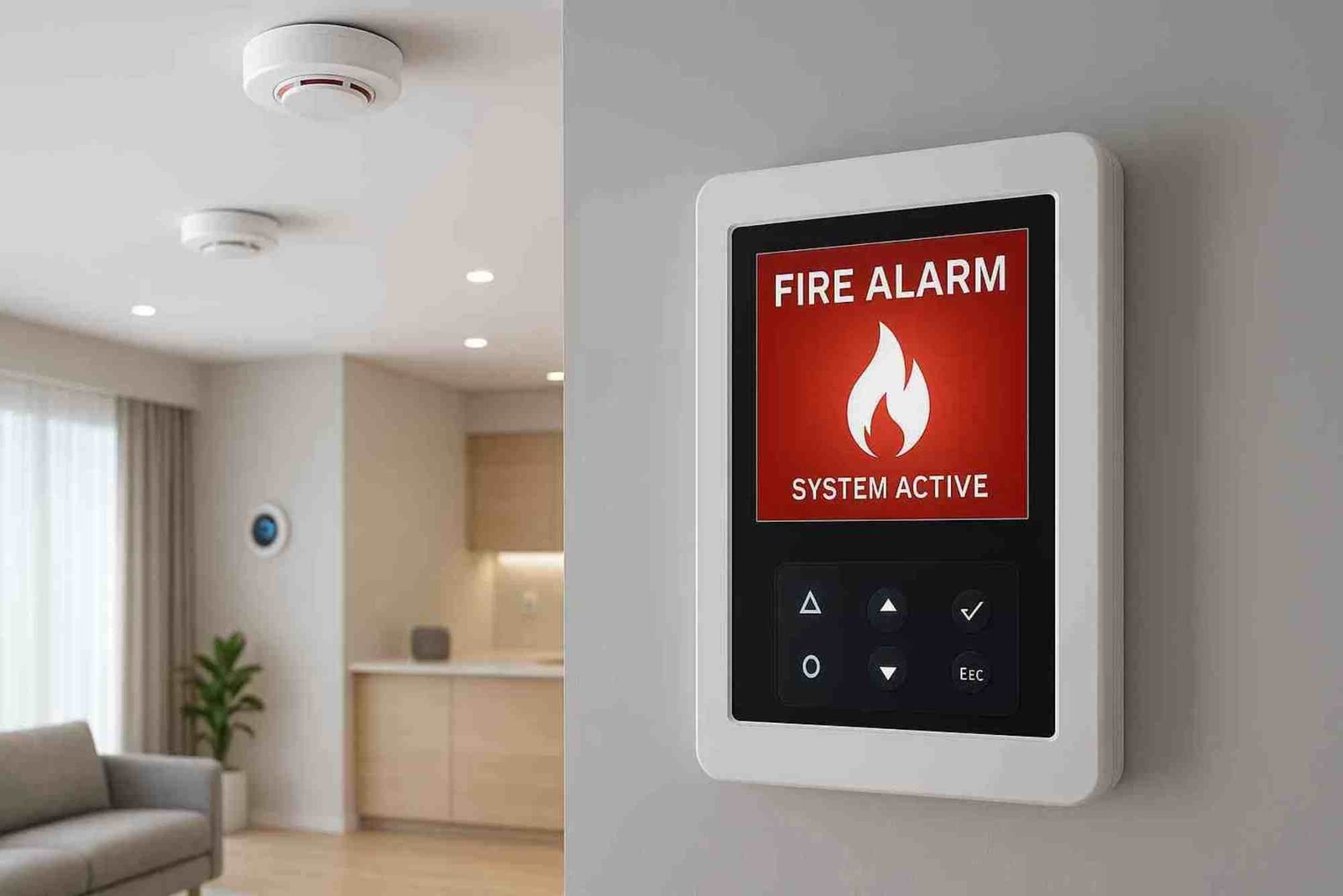
Fire Safety Alarm Systems
Fire safety alarm systems play a critical role in protecting lives and property. Whether installed in homes, offices, schools, or industrial buildings, these systems provide early warning during a fire emergency. As a result, people gain valuable time to evacuate safely and reduce property damage.
Modern fire safety alarm systems use advanced sensors and smart technology to detect smoke, heat, or flames. In addition, many systems now connect to mobile apps and monitoring centers for faster emergency response. Because fire accidents can happen without warning, installing a reliable alarm system is one of the most important safety investments.
Businesses and homeowners increasingly recognize the value of proper fire protection. Not only do these systems improve safety, but they also help meet legal building regulations and insurance requirements. Therefore, understanding how fire safety alarm systems work is essential for making informed decisions.
Understanding Fire Safety Alarm Systems
Fire safety alarm systems are designed to detect signs of fire and alert occupants immediately. These systems use different devices that work together to monitor a building continuously. Once smoke, heat, or fire is detected, the system activates alarms and warning signals.
A standard system usually includes smoke detectors, heat detectors, manual call points, alarm sounders, and a control panel. Each component performs a specific function to ensure rapid detection and communication during emergencies.
Smoke detectors identify smoke particles in the air before flames spread. Heat detectors respond when temperatures rise suddenly. Meanwhile, manual call points allow people to trigger the alarm manually if they spot a fire.

The control panel acts as the brain of the entire setup. It receives signals from detectors and activates alarms throughout the building. In larger facilities, advanced systems may also notify fire departments automatically.
Why Fire Safety Alarm Systems Are Important
Fire emergencies often develop within minutes. Without early detection, fires can spread rapidly and become deadly. Fire safety alarm systems help reduce these risks significantly by providing immediate alerts.
One major advantage is life protection. Early warning allows occupants to evacuate quickly before smoke and flames become dangerous. This is especially important in crowded buildings such as hospitals, schools, shopping centers, and apartment complexes.
Property protection is another key benefit. Fires can destroy equipment, documents, and infrastructure within a short time. However, fast detection minimizes damage by enabling quicker emergency response.
Businesses also benefit financially from installing proper fire safety alarm systems. Many insurance companies offer reduced premiums for properties with certified fire protection systems. Furthermore, compliance with safety regulations helps businesses avoid penalties and legal complications.
Types of Fire Safety Alarm Systems
Different buildings require different fire protection solutions. Therefore, fire safety alarm systems come in several types based on the structure and safety requirements.
Conventional Fire Alarm Systems
Conventional systems divide a building into separate zones. When an alarm activates, the control panel identifies the affected zone but not the exact device location. These systems are cost-effective and suitable for smaller buildings.
Addressable Fire Alarm Systems
Addressable systems provide more accurate information during emergencies. Every detector has a unique address, allowing the control panel to identify the exact location of the fire. As a result, emergency teams can respond faster and more efficiently.
Wireless Fire Alarm Systems
Wireless fire safety alarm systems use radio signals instead of physical wiring. They are ideal for historical buildings, temporary sites, or properties where wiring installation is difficult. Additionally, wireless systems are faster to install and easier to expand.
Smart Fire Alarm Systems
Modern smart systems integrate with mobile devices and building automation systems. These advanced solutions send real-time notifications to smartphones and monitoring centers. Consequently, property owners can monitor fire safety even when away from the building.
Key Features to Look For
Choosing the right fire safety alarm systems requires careful consideration. Several important features improve reliability and performance.
Reliable smoke and heat detection should always be the top priority. Fast and accurate sensors help detect fires during the earliest stages. In addition, loud alarm sounders ensure everyone inside the building hears the warning clearly.
Battery backup is another essential feature. During power failures, the system must continue operating without interruption. Therefore, quality backup batteries are critical for continuous protection.
Remote monitoring capabilities also add significant value. Many modern systems allow users to receive alerts on their phones instantly. This feature improves response time and enhances overall security.
Easy maintenance and regular testing functions are equally important. A system that is simple to inspect and maintain remains reliable for many years.
Installation and Maintenance Best Practices
Professional installation is essential for effective fire protection. Poor installation can lead to false alarms or system failure during emergencies. Therefore, certified technicians should always handle installation work.
The placement of detectors greatly affects system performance. Smoke detectors should be installed in hallways, bedrooms, offices, and high-risk areas. Heat detectors are more suitable for kitchens and industrial environments where smoke may occur normally.
Regular maintenance is equally important. Dust, dirt, and aging components can reduce sensor accuracy over time. For this reason, inspections and testing should be performed routinely.
Many experts recommend monthly testing and annual professional inspections. During maintenance visits, technicians check batteries, sensors, control panels, and alarm sounders to ensure proper operation.
Building owners should also educate occupants about emergency procedures. Even the best fire safety alarm systems are more effective when people understand evacuation plans and alarm signals.
Fire Safety Alarm Systems for Businesses
Commercial properties face unique fire risks because of larger spaces and higher occupancy levels. Offices, factories, hotels, and warehouses often require advanced fire protection systems.
Business owners must comply with local fire safety codes and regulations. Failure to meet these standards can result in heavy fines or legal action. Therefore, investing in high-quality fire safety alarm systems is both a safety and business necessity.
Integrated systems are particularly beneficial for commercial buildings. These systems can connect with sprinklers, emergency lighting, access control, and ventilation systems. As a result, emergency management becomes faster and more organized.
Furthermore, protecting employees and customers improves a company’s reputation. Businesses that prioritize safety build greater trust with clients and staff.
The Future of Fire Safety Technology
Technology continues to improve fire detection and prevention systems. Artificial intelligence and smart analytics now help identify fire risks more accurately.
Modern fire safety alarm systems can analyze environmental changes and reduce false alarms. Some systems even use cloud-based monitoring for remote management and instant updates.
In the future, integration with smart buildings will become even more common. This advancement will improve emergency response times and overall building safety.
As safety standards evolve, property owners should consider upgrading outdated systems. Investing in modern technology today can prevent major losses tomorrow.
Frequently Asked Questions
What are fire safety alarm systems used for?
Fire safety alarm systems detect smoke, heat, or fire and warn occupants immediately. They help people evacuate safely and reduce property damage during emergencies.
How often should fire alarm systems be tested?
Experts recommend testing fire alarm systems monthly and scheduling professional inspections at least once a year.
Are wireless fire alarm systems reliable?
Yes, modern wireless fire safety alarm systems are highly reliable. They use secure radio communication and offer flexible installation options.
What is the difference between conventional and addressable systems?
Conventional systems identify the general alarm zone, while addressable systems pinpoint the exact detector location.
Can smart fire alarm systems send mobile alerts?
Yes, many smart systems connect to mobile apps and send instant notifications during emergencies.
Conclusion
Fire safety alarm systems are essential for protecting lives, property, and businesses. With advanced detection technology and faster emergency response, these systems provide peace of mind every day. Whether for residential or commercial use, investing in a reliable fire alarm system is a smart long-term decision.
If you want better protection for your property, now is the perfect time to upgrade your fire safety alarm systems. Contact a trusted fire safety professional today and ensure your building remains safe, compliant, and prepared for emergencies.
Related Reading: كيف أشارك في معارض Global Sources التجارية؟ — full guide
Related Reading: What is the price of ducted AC per ton? — full guide
Related Reading: How to Deactivate or Delete Your Milay.pk Ad? — full guide
Related Reading: هواتف ستتصدر السوق في 2025 — full guide
Related Reading: Lawn Fertilizing in Omaha, NE — full guide
Related Reading: Ktoré najlepšie online kasína SK sú najobľúbenejšie v roku 2025? — full guide
Related Reading: Dishwasher Motor Replacement — full guide
Related Reading: Where to Get Hands-On Live Sound Practice in Delhi — full guide