
Introduction
Understanding how to use texture and color in home decoration is one of the most important skills in interior design. These two elements define the mood, personality, and comfort of a space. When used correctly, they can transform even a simple room into a stylish and welcoming environment.
Texture adds depth and physical interest, while color sets emotional tone and visual harmony. Together, they shape how a room feels and functions. Many homeowners struggle with balance, often using too much color or ignoring texture completely. Learning how to use texture and color in home decoration helps avoid these mistakes.
Understanding the Role of Color in Home Design
Color is the foundation of interior design. When learning how to use texture and color in home decoration, color choice comes first. It influences mood, space perception, and energy flow.
Warm and Cool Color Balance
Warm colors like red, orange, and yellow create energy and warmth. Cool colors like blue, green, and grey bring calmness and relaxation. A balanced home uses both in moderation. For example, a living room can combine a soft blue wall with warm wooden furniture.
Using too many strong colors can make a space feel overwhelming. Neutral tones like white, beige, and soft grey help stabilize bold choices. This balance is essential when mastering how to use texture and color in home decoration.
Psychological Impact of Colors
Colors affect emotions deeply. Blue promotes relaxation, while yellow encourages positivity. Green connects with nature and balance. Understanding this psychological impact helps in selecting colors for different rooms.

Bedrooms often benefit from calming shades. Kitchens can handle brighter and more energetic tones. This intentional use of color is a key part of how to use texture and color in home decoration effectively.
The Importance of Texture in Interior Spaces
Texture brings life to a room. Without texture, even the most colorful room can feel flat. In learning how to use texture and color in home decoration, texture is often the missing element.
Visual vs Physical Texture
Visual texture refers to patterns like prints, wallpapers, or painted effects. Physical texture refers to how surfaces feel, such as soft fabric, rough stone, or smooth glass.
A good interior design combines both types. For example, a smooth sofa with rough woven cushions creates contrast. This contrast is a core principle in how to use texture and color in home decoration.
Layering Textures for Depth
Layering is a powerful design method. You can mix materials like wood, metal, fabric, and glass. Each material adds depth and complexity.
A room with only one texture feels incomplete. A balanced mix creates richness and comfort. This is why layering is essential when practicing how to use texture and color in home decoration.
Combining Texture and Color for Visual Harmony
The real magic happens when texture and color work together. Knowing how to use texture and color in home decoration means understanding their relationship.
Creating Contrast Without Clutter
Contrast makes spaces interesting. A dark-colored wall with light textured furniture creates visual balance. However, too much contrast can feel chaotic.
The goal is controlled contrast. This means using one dominant color and supporting it with neutral textures. This approach helps maintain harmony in how to use texture and color in home decoration.
Using Neutrals as a Base
Neutral colors act as a foundation. White, beige, and grey allow textures to stand out. When you add textured materials like wool rugs or wooden tables, the room becomes more dynamic.
This technique is widely used in modern interiors. It simplifies how to use texture and color in home decoration while keeping the design elegant and timeless.
Room-by-Room Application of Texture and Color
Each room in a home serves a different purpose. Therefore, how to use texture and color in home decoration changes slightly depending on function.
Living Room Styling
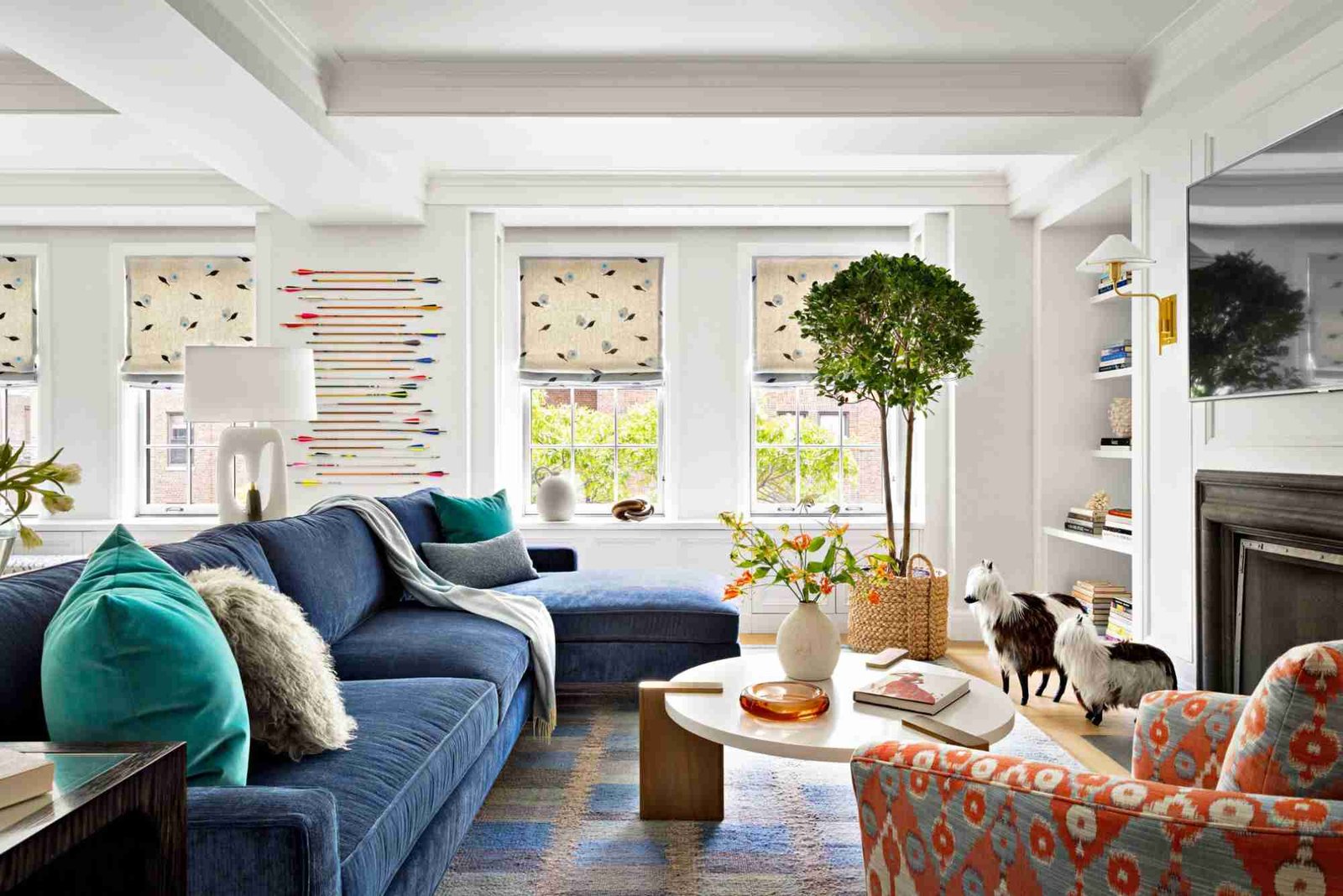
The living room is the heart of the home. It should feel warm and inviting. Soft fabrics like cushions and rugs add comfort. Bold colors can be used on accent walls or artwork.
Combining smooth and rough textures creates balance. A leather sofa with knitted throws is a great example of how to use texture and color in home decoration in living spaces.
Bedroom Design Approach
Bedrooms require calmness. Soft textures like cotton, linen, and wool work best. Cool and muted colors help create relaxation.
Avoid overly bright colors in bedrooms. Instead, focus on soft layering. This enhances sleep quality and reflects proper understanding of how to use texture and color in home decoration.
Kitchen and Dining Areas
Kitchens benefit from clean and bright colors. White, light grey, and natural wood tones work well. Smooth textures like marble and glass are commonly used.
Dining areas can include warmer tones for comfort. Wooden tables and fabric chairs help soften the environment. This balance is key in how to use texture and color in home decoration.
Common Mistakes to Avoid
Many people make mistakes when learning how to use texture and color in home decoration. Overloading a space with too many colors is one of them.
Another mistake is ignoring texture completely. A room with only flat surfaces feels lifeless. Similarly, using too many textures without color balance creates confusion. Consistency is important. Each room should connect visually with the rest of the house. This creates a smooth flow and improves overall design quality.
Expert Tips for Modern Home Styling
Modern interiors focus on simplicity and balance. When practicing how to use texture and color in home decoration, less is often more. Start with a neutral base. Then slowly add colors and textures. Always test combinations before finalizing them.
Natural light also plays a big role. It enhances both color and texture. A well-lit room looks more spacious and inviting. Mixing natural materials like wood, stone, and cotton creates a timeless feel. These elements ensure your design remains stylish for years.
The Emotional Impact of Texture and Color
Homes are not just physical spaces. They affect emotions and mental well-being. Understanding how to use texture and color in home decoration improves quality of life.
Warm textures make spaces feel safe and cozy. Cool colors create calm and focus. Together, they influence mood and comfort. A well-designed home reduces stress and increases happiness. This is why mastering how to use texture and color in home decoration is so valuable.
Conclusion with CTA
Learning how to use texture and color in home decoration allows you to create beautiful, balanced, and comfortable spaces. It is not about following strict rules but understanding harmony between elements. When you apply the right mix of color and texture, your home becomes more than just a living space. It becomes a reflection of your personality and lifestyle.
Building a successful online business starts with the right guidance and strategy. Whether you’re launching a startup or scaling your brand, having access to expert insights can make a real difference. Visit Prime Founder to explore valuable resources, practical tips, and tools designed to help entrepreneurs grow and succeed in today’s competitive digital landscape.
FAQs
What is the importance of texture and color in home decoration?
Texture and color define the mood and style of a space. They work together to create depth, comfort, and visual interest. Proper use improves overall design quality.
How do I balance texture and color in a room?
Start with neutral colors and add layered textures gradually. Maintain one dominant color and support it with subtle textures for harmony.
Can I use too many textures in home decoration?
Yes, too many textures can make a space feel cluttered. It is better to mix a few complementary textures for a balanced look.
Which colors are best for a relaxing home environment?
Soft tones like blue, green, beige, and light grey are ideal. These colors help create a calm and peaceful atmosphere.
How can beginners learn home decoration easily?
Start with simple changes like cushions, rugs, and paint accents. Observe how texture and color interact before making bigger design decisions.
Related Reading: Top Home Decoration Tips for a Cleaner and Better Look
Related Reading: Best Home Decor Ideas for Inviting and Comfortable Spaces — full guide